

To everyone who says, “If you don’t like it, don’t watch,” well, it isn’t that easy.
Clearly, it’s our job to write about all kinds of content, so we get a pass, despite how often we hear it, especially from Facebook passersby who don’t even read the articles we publish.
But the same goes for long-time viewers or even fans of actors or genres who want to give a show a try. Believe it or not, we don’t bitch just for the sake of it.

If you’re a true TV fanatic, you love TV. You want to give shows a shot. And if you’ve got a stake in the game, like you love the genre or the cast, you really want the win.
So when a show goes off the rails, especially early with a sophomore slump (should a series get a second season at all), it’s perfectly within our right to air our grievances.
After all, without us watching, the show might not have had the chance to mess up in the first place.
Goodness knows, there have been more one-and-done seasons that never got the chance to go south. And believe me, we’re still salty over them.
But when we lose a show that deserved more time on the air, it makes every show fumbling the ball harder to take.

Two years ago, it was all about Yellowstone and the debacle that was Yellowstone Season 5.
The show had already gone in directions much of the audience didn’t enjoy (see: Summer), but when Kevin Costner quit, and the series ended early, with a cobbled-together storyline that did the series no justice at all, well, it was hard to shake the animosity true fans felt.
Many did stop watching, although most continued watching, albeit with a chip on their shoulder.
And who could blame them? We had been sold a bill of goods — strong characters and wickedly entertaining stories as sort of a succession drama in the West — and when the patriarch walked away, picking up the pieces was sort of impossible.
This season, I’m feeling the pain with another Taylor Sheridan show, Landman. The chorus of “then stop watching” is hitting an all-time high for readers (and me) as we struggle with the show’s direction.
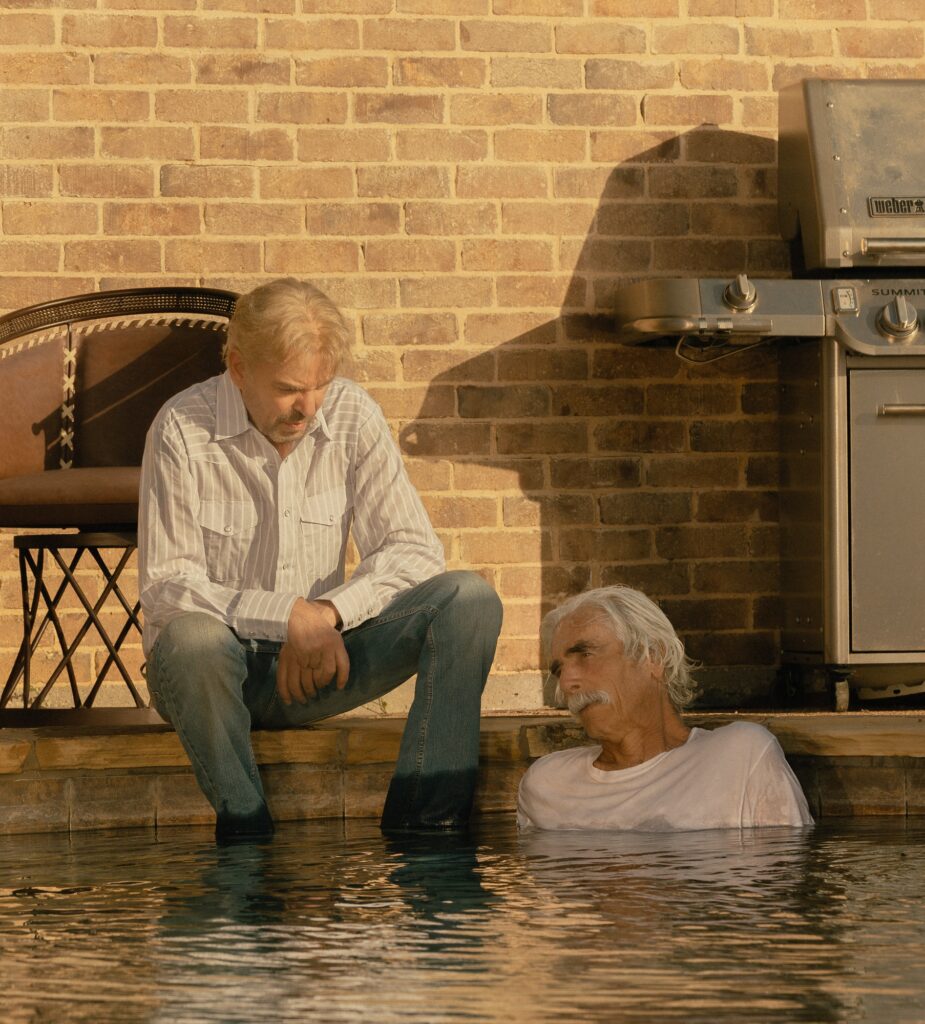
In this case, we signed up to watch Billy Bob Thornton do what he does, this time in the oil and gas industry. He plays a cocky man’s man with a heart of gold who gets into impossible situations from which he always escapes relatively unscathed.
Tommy Norris is the most pragmatic guy around, so it rubs some of us the wrong way that he’s such a pushover when it comes to his ex-wife and others during Landman Season 2.
But what both of these shows have in common is that those of us who were invested were invested to the hilt.
The more buttons a show pushes, the more likely we are to feel the pain when the rug is pulled out from under us. If our show goes south, we don’t want to walk away.
We want to rant and curse and wish it back on track. In this business in particular, that’s an asset. But for the audience in general, it’s just as important.

If we don’t make our voices heard, there may not be any pivots. Shows may get canceled or never return to their former glory.
Now, I realize Taylor Sheridan shows are probably not the best examples. I doubt Sheridan gives half a damn what people think about his work. He does what he does. Still, it’s not going to stop us.
Historically, it’s mattered, even if only sometimes. Canceled shows have found new life. Jericho came back to life with a nuts campaign. Netflix rescued Lucifer and Designated Survivor. NBC rescued Magnum PI.
These shows might have been hitting the skids, but someone saw how fans reacted to them and picked them up again.
There are even shows whose first seasons made us wonder why they got a second.
The Leftovers Season 1 was, by far, its worst. After that, it became art. Did the audience have anything to do with that? Maybe, maybe not. But keeping our lips zipped doesn’t help anyone.
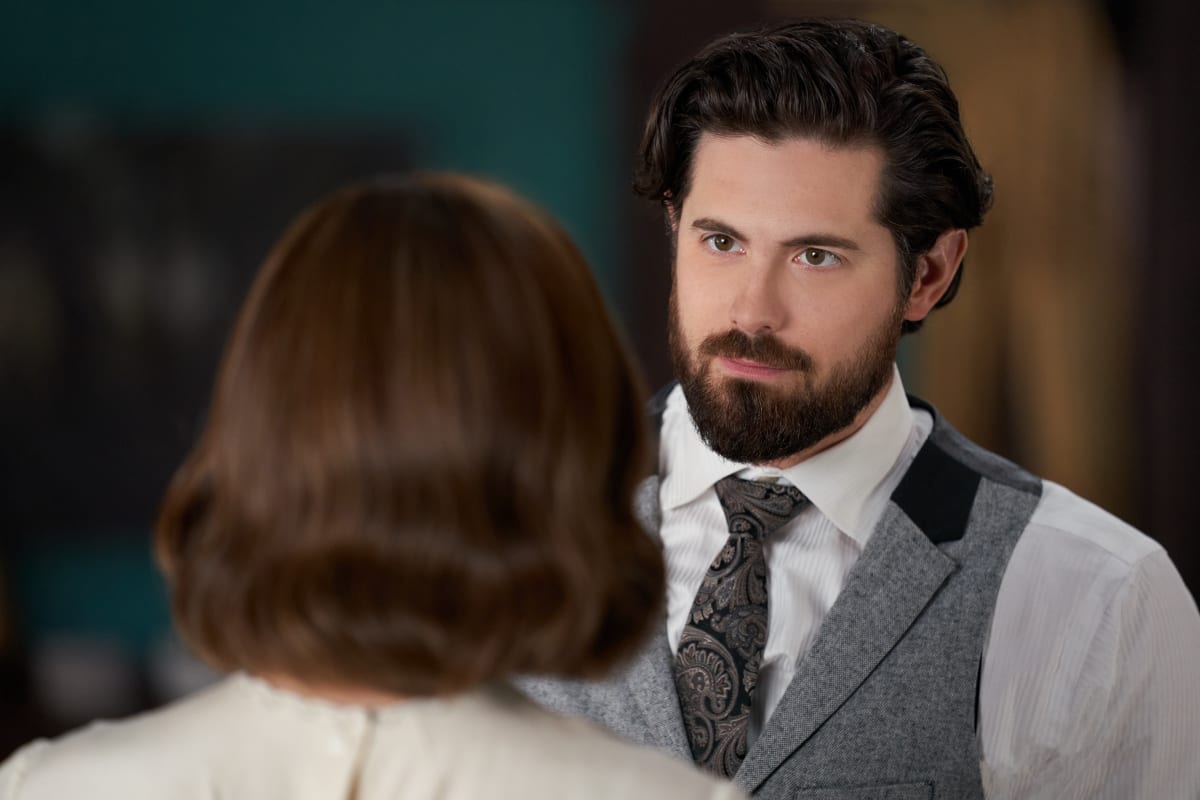
And then there are shows that divide audiences that stay the course anyway. When Calls the Heart had fans all over the place during Elizabeth’s love triangle with Nathan and Lucas.
I can say that I never returned. In this case, the knock sideways was so severe from a fan perspective that I didn’t want to get further involved. I had my say, and I moved on.
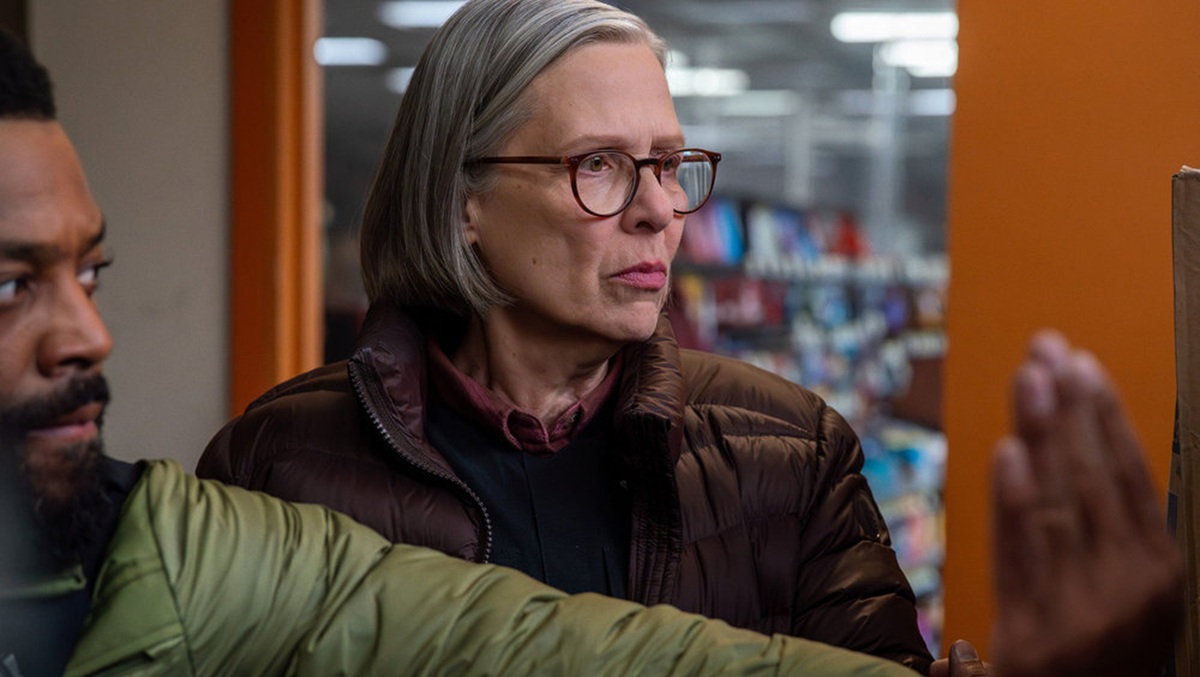
Sometimes, a show has been on for so long that it faces challenges such as budget cuts and repetitive storytelling. That’s the case with Chicago Fire Season 14.
We’re still all-in for the characters, but they deserve better stories. I even shared suggestions for stories that could work within their current parameters (and still got complaints). Sure, I’m complaining, but it’s out of love.

But when a show isn’t drawing lines in the sand, and you can see the greatness you’ve come to expect nipping at the heels of what you’re seeing on screen, you don’t give up. You keep watching and keep sharing your thoughts, hoping that someone might hear you.
Even if it’s only fellow fans, there is warmth in that connection. We’ve loved and lost, and find solace in each other while we hope things pick up again.
TV has the capacity to make us feel — deeply. And the deeper we feel, the harder it is to let go. That’s not a problem, it’s a benefit.
When someone writes something so moving that you fight against a change of course, take it as a compliment that someone cares enough to speak out.
Your fellow fans don’t see things the same way as you. Don’t push them away. Embrace them. Help them to see what you see. We got into this together, and we can weather the storm together, too.
-
How much is too much The Witcher content? Check out how we rank the four Geralt-adjacent spinoffs and what we’d like to see next!
-
2025 saw highs and lows in television with shows like The Wheel of Time, Dexter: Original Sin, Found, and Boots getting cancelled. We will forever mourn these shows and more. Check out our list.
-
Some TV couples have IT, and we’re talking about that chemistry that lights up the screen. We’re chatting about 2025’s hottest couples here!











:quality(85):upscale()/2025/06/25/674/n/1922564/9467508f685c11bf9eb0a3.14421755_.png "Ariana Madix's \"Love Island USA\" Minidress Could Be a Nod to \"Vanderpump Rules\" – Shop Here")