Critic’s Rating: 3.8 / 5.0
3.8
With the fashion, the nostalgic toys, and now episodes like CIA Season 1 Episode 6, it feels like we’re back in the late ’90s and early ’00s.
“Pledge of Allegiance” raises many questions about indoctrination and blame, culminating in a powerful message.
However, there are a few issues with the writing, giving a clear area for CIA Season 2 to improve.


The Truth of Indoctrination
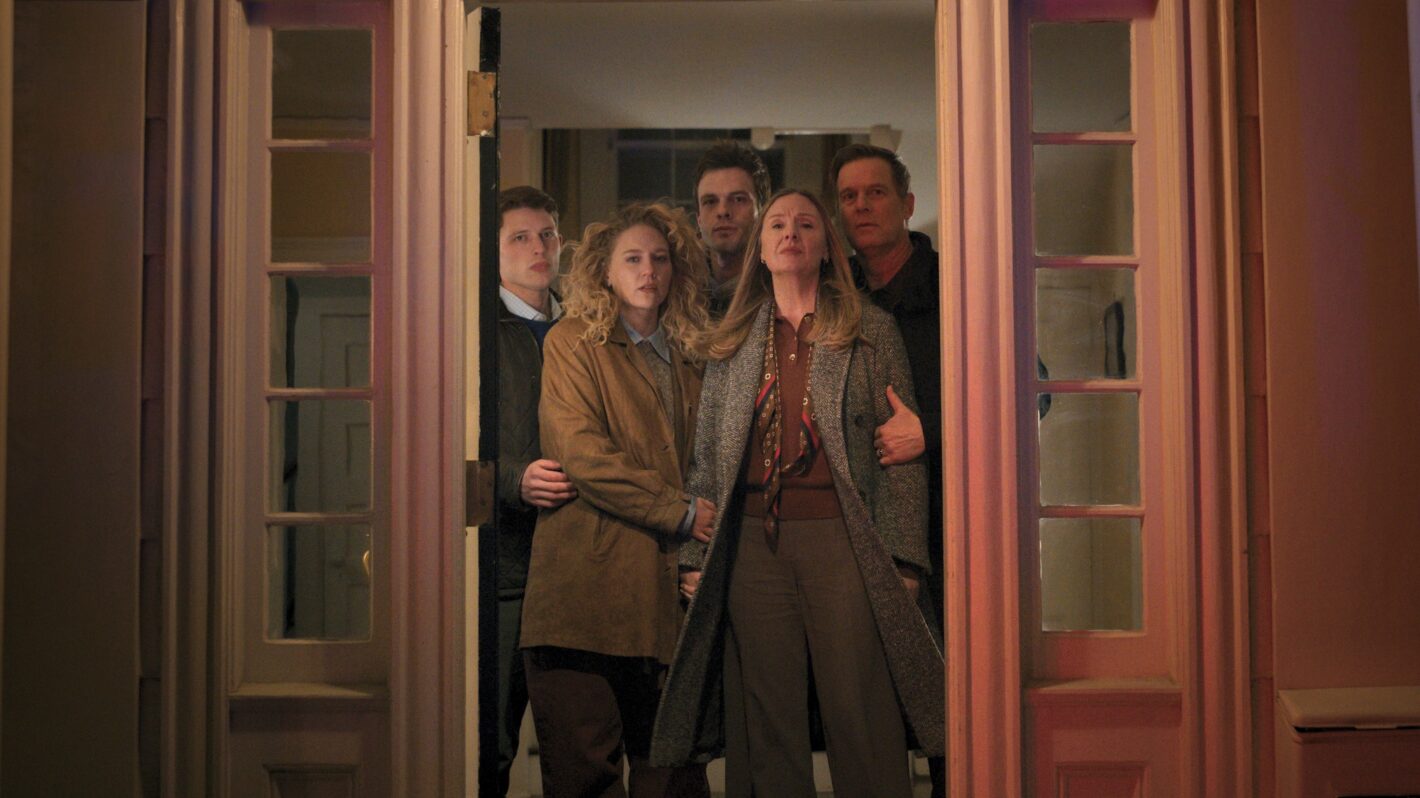
As CIA opened with the disappearance of a white teenage American boy, it was clear how the storyline would play out.
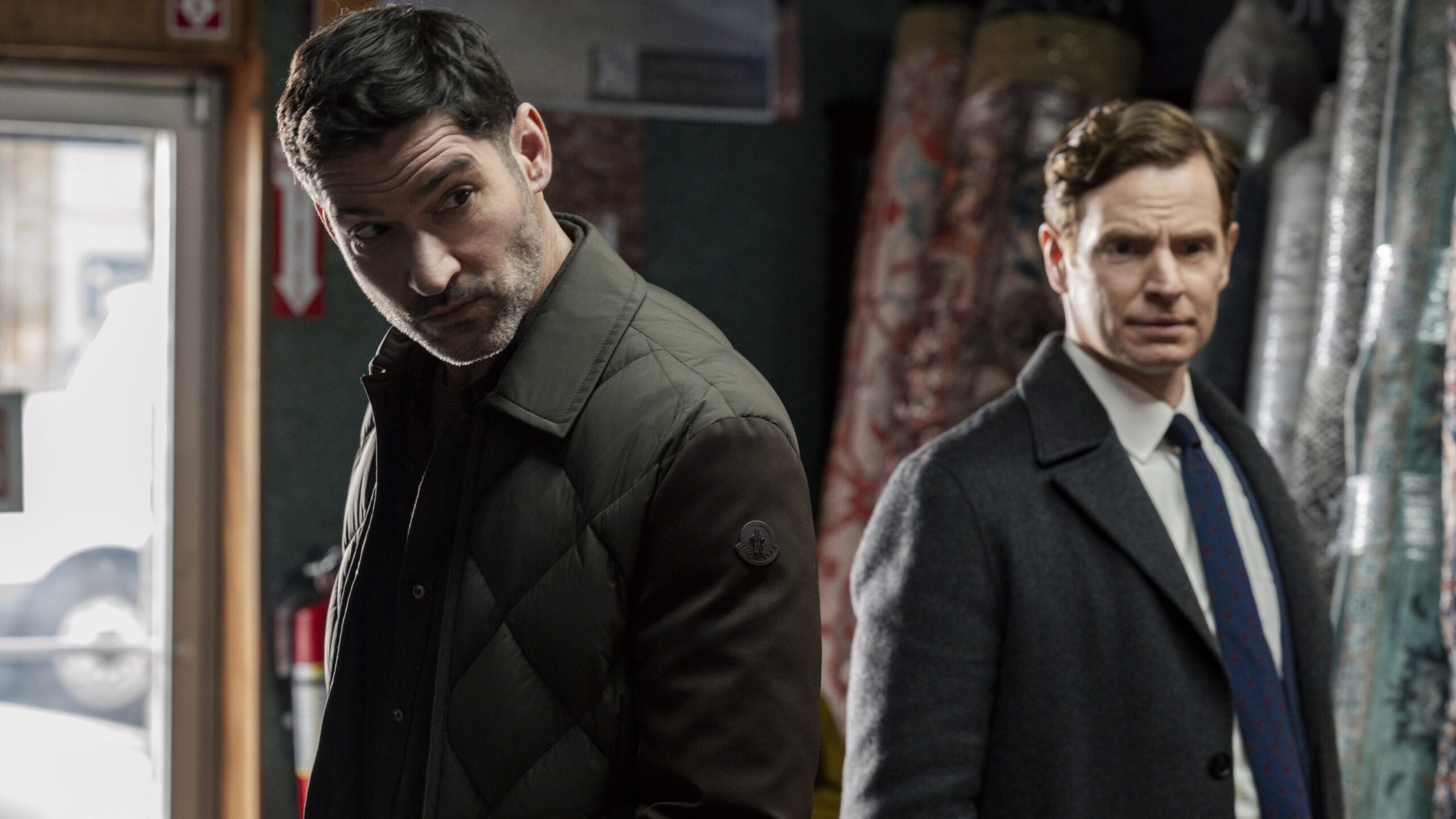
When he turned up at the rug shop as an adult, only the characters seemed surprised, because this is a plot device that’s been used since the early ’00s.
In some cases, terrorist cells like ISIS and the Taliban would take prisoners and execute them, with those executions being shown publicly.
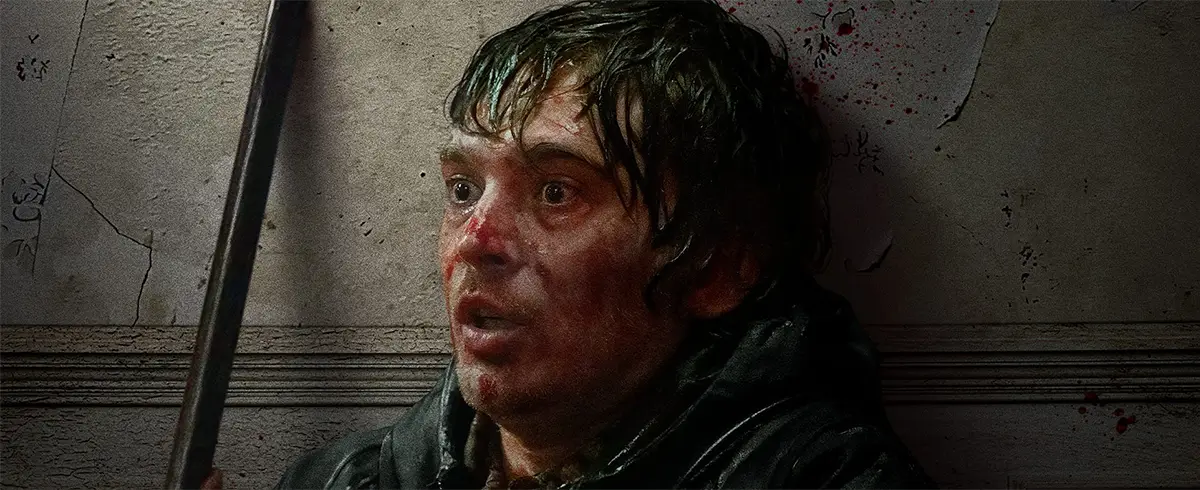
The fact that Patrick Graham wasn’t executed on screen, considering the political standing of his father, stood out.


There was never a chance that he was going to be allowed out if he wasn’t indoctrinated, and it’s short-sighted of every single character — except Bill — that they would think he was just dealing with trauma.
Trained CIA agents should be better than that.
The second Patrick was kneeling on the prayer mat in the safe house, everything he said gave away, and from there it was hard to trust anything he had to say.
Despite all that, Patrick’s discussion of how the CIA and Americans will go in on “covert” missions for “peace” brought a sense of truth and reality. We get a chance to see both sides.
While it’s easy to say Patrick is saying it all just because he’s been indoctrinated, when you consider the side against the Americans, it looks different.


There are two sides to a story, and the victors end up writing the history books.
Of course, in the West, we’re going to want to believe Western ideologies are superior. The truth is that we don’t get a right to say how other countries operate and live.
CIA could have focused a little more on this, but it needed to get into the drama of the hour, which meant Nikki had to earn Patrick’s trust so he would share everything he knew about the explosives, the weapons, and the plan.
With all that coming well before the half-hour mark, it was clear that something else was going to happen, so it wasn’t surprising to find out that Patrick was supposed to be the bomb maker.
This was the point at which the episode took a turn for the better. Suddenly, it started to step away from the tropish storytelling and move on to a real conspiracy.


The Stepmother Proves Herself to be Evil
There are times when I would love for a TV show to really show the truth behind indoctrination, because it runs deep. Years of programming naturally take years to undo.
In fact, there was a small moment in the cabin when Patrick showed his anger toward Bill and Colin for being left behind.
He saw things no teenage boy — or anyone — should ever have to see, and mixed with the indoctrination and the need to survive, there is more depth to that anger that needs to be acknowledged.
I just knew that CIA wouldn’t show something like that. Not only would it not have the time, but it also needed to give hope.


So, the twist with Kimberly being involved in the explosion at the press conference worked, but I still couldn’t let myself believe that Patrick was willing enough to help Colin and Bill as not-so-stealthy assassins moved in.
(Side note, the agents on this show need to work on being stealthier! Between the situation at the rug store and the men coming to the cabin, the stealth mode was laughable.)
The irony was that Bill and Colin encouraged Patrick to make a chemical that would save the day, though I’ll never know how Bill needed Patrick to explain how to make chlorine gas.
At least by the end, Patrick did go through the process of deradicalization, making it clear that, while he had helped the “good guys,” he was still programmed to fight against his American upbringing.


Unfortunately, we’re not likely to return to this. Patrick’s arc was more to give Bill a chance to open up to Jubal a little about his own feelings.
Being deep with the Fusion Cell, which definitely has a mole, given how quickly the assassins moved in, Bill is starting to think a little like the spies.
This can be a good thing, but he’s starting to question who the good guys really are.
I’m not sure Jubal took this seriously enough. It almost feels like a cry for help, and there’s definitely some foreshadowing of what’s to come for Bill.


Nikki and Colin Don’t Take Bill’s Questions Seriously
Jubal isn’t the only one not taking things the way he should.
Colin and Nikki are also too lax on how Kimberly managed to alert assassins and send them to Anthony’s late wife’s brother’s cabin — say that three times as fast!
Even if there wasn’t a mole plot point, I’d be questioning why Colin and Nikki didn’t agree that Bill was right to question the speed.
For Kimberly to get any information, someone had to tell her, and the only people who knew about this worked at the Fusion Cell.


You would think that Nikki and Colin would want to get to the bottom of that, and it’s bad writing for them to just brush it off.
Far too often, Colin just shrugs and moves on to the next case, and while that could be his coping mechanism, it doesn’t mean that it’s right.
How many times will it take for lives to be at risk for Nikki to note that there could be a problem with information being leaked?


They’re lucky that this mole hasn’t done anything that threatens the Fusion Cell or the CIA missions as a whole.
I want to believe that Colin knows that there is a mole and that he’s trying to do his own digging from the outside in, but there was no hint of that as he brushed Bill off.
It’s a flaw on CIA that continues over from the previous episode — and others before it — with inconsistencies in the writing.
Part of me really believes that this is linked to changes of showrunners, cast members, and other production issues, and I hope the kinks can be ironed out as the writing for CIA Season 2 begins.


Overall, there was certainly some depth to this episode.
While it did feel like something out of the early ’00s, there are conversations that we need to have, and it’s okay to delve into the darker side of real problems like indoctrination. Doing so would have made this episode much stronger.
Enjoyed this review? Help us out.
Drop a comment or share it — it’s free, painless, and helps keep independent TV coverage alive. Let me know what you thought about this episode of CIA and how the show can improve.
-
In an episode that feels like we’re back in the early ’00s, CIA Season 1 Episode 6 delivers a story of indoctrination and fear.
-
As CIA Season 1 Episode 5 deals with a terrorist sleeper cell from Iran, we get a lot more information about Colin and his family!
-
CBS has made a decision about the future for CIA, while HBO Max has dropped a teaser and premiere date for Hacks Season 5. Get the latest.